U.S. State Department Delegation Visited Tigray to Assess Health Supply Chain Gaps
A five-member delegation from the United States Department of State (DoS) Ethiopia Office visited Mekelle on April 6, 2026, to assess the availability of essential health commodities and review critical supply chain challenges in the Tigray Region.
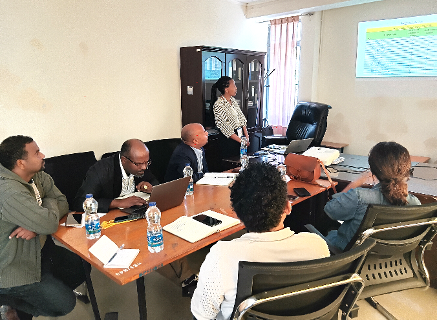
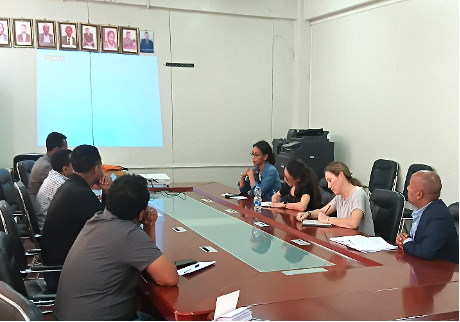
As part of the mission, the DoS health supply chain team held technical discussions at the Mekelle Ethiopian Pharmaceutical Supply Service (EPSS) Hub prior to joining the broader delegation at Ayder Comprehensive Specialized University Hospital. The delegation was received by EPSS Mekelle hub management and technical staff, alongside representatives from UNICEF and the Supply Chain Strengthening (SCS) project. During the briefing, the team was updated on current stock status, refill delays, and last-mile distribution challenges affecting the hub and its catchment health facilities.
EPSS Mekelle hub team highlighted significant concerns regarding prolonged delays in commodity resupply from the central level. Refill consignments scheduled for January and February had not yet been delivered, resulting in stockouts of several essential program commodities. In addition, Revolving Drug Fund (RDF) products had not been supplied for four consecutive months, further straining service delivery across the region.
Fuel shortages were also identified as a major bottleneck, limiting distribution capacity and hindering health facilities’ ability to access emergency supplies. These constraints have contributed to ongoing disruptions in health service delivery.
Following the discussions, the delegation conducted a guided tour of the EPSS main warehouse, where they reviewed available stock and observed shortages firsthand.
The delegation later held a high-level meeting at Ayder Comprehensive Specialized University Hospital with senior leadership from the Tigray Regional Health Bureau (TRHB) and hospital management. The meeting focused on the broader health system challenges in the region, particularly the impact of delayed and insufficient supply of essential medicines and health commodities.
Additional issues raised included unpaid staff salaries and declining staff motivation, which have further compounded operational challenges. During a tour of the hospital, frontline health workers shared their experiences with shortages of antibiotics, essential medicines, and medical supplies, and the resulting impact on routine clinical services.
“Ensuring uninterrupted access to essential health commodities is critical to sustaining life-saving services. We are committed to working closely with regional and national partners to address supply chain bottlenecks and support timely delivery of medicines to the communities that need them most,” said a representative of the U.S. State Department delegation.
At the conclusion of the visit, the DoS delegation reaffirmed its commitment to supporting EPSS and regional health authorities in addressing the ongoing supply chain challenges. As part of immediate mitigation efforts, it was noted that seven trucks loaded with program commodities were on standby, pending fuel clearance for dispatch to the Mekelle and Shire EPSS hubs through the support of the US Government SCS Project.